Participants: | Early Stage Investigators |
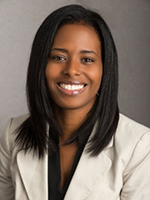
| Tameka Clemons Tameka A. Clemons, Ph.D. is a Clinical Associate Professor of Biochemistry in the Department of Biomedical Sciences at the Tillman J. Fertitta Family College of Medicine at University of Houston. Dr. Clemons received her Ph.D. in Biochemistry from Meharry Medical College in Nashville, TN and her B.S. in Chemistry from Xavier University in New Orleans, LA. She has received several NIH-funded fellowships such as PRIDE, Diversifying CNS, LEADS, and BRAINS fellowships, as well as an IRACDA postdoctoral fellowship at Emory University. Dr. Clemons research focuses on identifying more normal functions of amylin, as well as understanding the role of amylin in Alzheimer's disease, Type II diabetes, and Obesity. |

| Tanisha Hill-Jarett Tanisha Hill-Jarrett, PhD is a neuropsychologist and an Assistant Professor in the Department of Neurosurgery and Brain Repair at the University of South Florida. Her broad research interests include cognitive aging and has largely centered on understanding (1) racial/ethnic disparities in cognitive aging and (2) the effects of psychosocial contributors (e.g., education, environmental stressors) on the cognitive functioning and cognitive trajectory of Black older adults. Her current grant funding examines the relationship between racism/gendered racism across the lifetime, psychological coping style, and the cognitive functioning of Black older adults. |
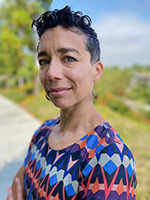
| Mariajose Metcalfe Dr. Metcalfe received her undergraduate degree from the Pontificia Universidad Catolica de Chile in 2004, and her Ph.D. from The Graduate Center of the City University of New York in 2012. She completed her postdoctoral training at Burke Neurological Institute where she studied axonal degeneration in the context of spinal cord injury (SCI). In 2015, Dr. Metcalfe joined the University of California, Irvine, as Laboratory Director, where she focused on studying a therapeutic approach to enable regeneration to reverse paralysis by manipulating genes in the cortical neurons that give rise to the corticospinal tract (CST), one of the tracts that is interrupted after a SCI. In 2019, Dr. Metcalfe became a Project Scientist, with her studies centered on the development of combinatorial strategies to promote axonal growth using viral vector approaches. Building on recent advances in AAV biology, Dr. Metcalfe has developed a new and very powerful platform for SCI regeneration, based on the development of "rAAV-retro" that are robustly transported in a retrograde fashion. Dr. Metcalfe has engineered a retrograde AAV that carries the shRNA against PTEN (rAAV-retro/shPTEN) and single injections of rAAV-retro-shPTEN/GFP into the cervical spinal cord of rats, thereby eliciting PTEN knock-down in the motor cortex. The use of this technology addresses interventions to study neuron-intrinsic growth regulators; however, regeneration is still impeded by the growth-hostile environment of the damaged spinal cord. One way to address this impediment is to digest the scar tissue formed by chondroitin sulfate proteoglycans (CSPGs) produced by reactive astrocytes. Because scar tissue acts as a stop signal for growing axons, digesting CSPGs with the enzyme chondroitinase ABC (ChABC) will enable neuronal extension and axonal regeneration. Consequently, Dr. Metcalfe designed an AAV-ChABC, that effectively digests CSPGs in the spinal cord. Further advancing and building on her work, Dr. Metcalfe’s lab is testing whether a twin vector system, with one vector of the pair expressing shPTEN that will target intrinsic factors promoting regeneration of cut axons, and the second vector expressing ChABC, thereby targeting CSPGs that contribute to the growth-hostile environment present after SCI, will promote sprouting of spared axons after a SCI. Current and future projects reflects her long-standing interest to contribute to our understanding of the biology of regeneration. |
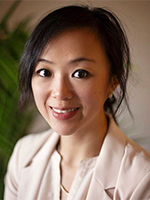
| Rowena Ng Dr. Rowena Ng is a pediatric neuropsychologist at Kennedy Krieger Institute and an assistant professor at the Department of Psychiatry and Behavioral Sciences at Johns Hopkins University School of Medicine (JHUSOM). She received her doctorate from the University of Minnesota Institute of Child Development in Child Clinical Psychology. Dr. Ng completed a clinical psychology internship at the University of California Los Angeles David Geffen School of Medicine and a pediatric neuropsychology fellowship at the University of Michigan –VA Ann Arbor Consortium. In addition to these training experiences, she was previously highly involved in multisite neurobehavioral phenotyping investigations at the Salk Institute of Biological Studies and UCSD School of Medicine. Dr. Ng’s research to date has focused on developing experimental designs to collect imaging data, behavioral data, and psychophysiological assays to best capture the social and cognitive phenotype of Williams syndrome (WS), partial WS, and idiopathic autism spectrum disorder. Her work at the University of Minnesota and University of Michigan also expanded to applying interdisciplinary methods to study risk factors of youth with psychopathology and children with developmental disorders using a combination of imaging biomarkers, neuropsychological diagnostic tools, and qualitative data coding/analysis. Currently, she is interested at behavioral disease phenotyping rare conditions - specifically epigenetic syndromes with disruptions in the regulatory pathways for gene expression. Her investigations involve integrating standardized neuropsychological tests with laboratory-based behavioral paradigms and electrophysiological measures to determine syndrome-specific neurobehavioral profiles and biomarkers, which may be utilized in assessing efficacy of clinical trials. |
Participants: | Postdocs |
| Jemima Akinsanya I am originally from Nigeria and grew up in New Jersey. I completed Neurology Residency at Emory University June 2020. Currently I am a clinical neuroimmunology fellow at the NIH in my second year of fellowship. My primary research goal during my fellowship is to conduct clinical trials to study neuroinflammatory diseases. My focus is on therapeutics for multiple sclerosis (MS) and Progressive Multifocal Leukoencephalopathy (PML). I also have a strong interest in health disparities research which I am currently conducting through collaboration with the National Advisory Neurological Disorders and Stroke Council (NANDSC) Working Group for Health Disparities and Inequities in Neurological Disorder. Following my fellowship, I plan to continue my research career as an academic neuroimmunologist with a focus on health disparities research. |
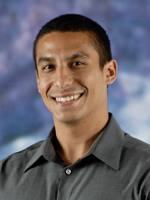
| Johnathan Borland Johnathan is a postdoctoral researcher in Dr. Robert Meisel's lab at the University of Minnesota. His graduate research investigated sex differences in oxytocin modulation of social reward. His postdoctoral research investigates the neural mechanisms mediating the rewarding properties of aggressive and sexual interactions using female models. His long term goals are to continue to investigate the neural mechanisms underlying the rewarding properties of different social behaviors and to mentor scientists from underrepresented backgrounds. He is a member of the Society for Behavioral Neuroendocrinology, the International Behavioral Neuroscience Society, the Organization for the Study of Sex Differences and the Japan Neuroscience Society. He was born in San Jose, CA, grew up in Hamilton, MA, and received his undergraduate (Emory University) and graduate (Georgia State University) education in Atlanta, GA. He enjoys basketball, swimming, snorkeling and running. |
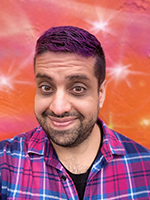
| Carlos Cardenas-Iniguez Carlos Cardenas-Iniguez (pronouns he/him/his) is a T32 NIEHS Postdoctoral Fellow in the Herting Lab at the Keck School of Medicine of University of Southern California. Carlos earned his PhD in Psychology and Integrative Neuroscience from the University of Chicago in 2019. His research focuses on using the ABCD Study dataset to explore the impact of social stratification on the environments in which people live, and how these environments, in turn, impact neural and cognitive development and mental health. His research interests also include the implementation of spatial analysis, critical race theory, and anti-racism principles in neuroscience/psychology research. |
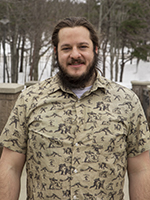
| Timothy Hines My dad was in the military so I was born in Germany and my family moved around a few times before getting stationed at Ft. Bragg, North Carolina. In high school I was on the soccer and wrestling teams and I graduated a year early. For undergrad I went to Appalachian State University to study psychology. During this time I was also on the rugby team and worked in Dr. Mark Zrull’s lab studying the impacts of environmental enrichment on rat behavior. I graduated in 2012 with a B.A. and B.S. in Psychology and minors in German and Chemistry. I then joined Dr. Deanna Smith’s lab in the Biological Sciences department at the University of South Carolina for graduate school. My thesis work, which I completed in 2018, focused on the regulation of dynein-dependent axonal transport. In 2018, I moved to Bar Harbor, Maine for a postdoc in Dr. Robert Burgess’s lab at The Jackson Laboratory. Here, I am studying the cellular mechanisms that cause the rare neuromuscular disorder, Charcot-Marie-Tooth disease (CMT), which can be caused by mutations in over 100 different genes. More specifically I am focused on how mutations in tRNA synthetases, which are ubiquitously expressed enzymes critical for the fundamental process of protein synthesis, lead to degeneration of motor axons. In the future I plan to run my own lab group combining my knowledge of axon biology, genetics, and disease modeling to better understand how genetic mutations lead to neurodegenerative disorders. Outside of the lab I enjoy hiking, gardening, going to heavy metal concerts, ice fishing, and lifting weights. |
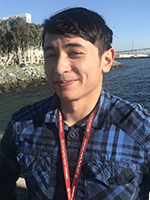
| Dan Landayan My father and mother emigrated from the Philippines to California. I became the first person in my family to get into college. During my undergraduate, my favorite course was introductory psychology. It was here I learned of Sigmund Freud’s theory of the mind and the underlying principles he established to explain human behavior. I was also intrigued by his paradigm of the mind as a black box: first, a stimulus enters the “black box.” Second, something mysterious and unexplainable occurs within the black box. Then finally, a behavior is measured. From this point on, I was obsessed with the inner machinations of the nervous system. For my graduate work, I focused on understanding how the brain encodes motivated behaviors to satisfy thirst and hunger using the fruit fly model. As a post-doctoral scholar, I want to translate my fly expertise to the study of how motivated social behaviors are encoded in the mammalian brain. In the longer term I would like to explore the circuit interactions that modulate different innate behaviors. |
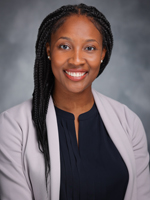
| Deborah Rose I am a Neurology Resident at Duke University Medical Center. I am a first-generation Jamaican-American and was born and raised in New Jersey. I completed my undergraduate education at Cornell University and medical school at the Loyola University Chicago Stritch School of Medicine. Following residency at Duke, I will be pursuing an NINDS/NIA Clinical Fellowship. Currently, my research is focused on exploring ways to optimize diagnostic screening modalities for Alzheimer’s disease (AD) and examining the biopsychosocial and mechanisms underlying racial disparities in the development of mild cognitive impairment and AD. I have a particular interest in studying the role that adverse childhood experiences and chronic toxic stress may play in the pathogenesis of AD and contribute to the racial disparities seen in the condition. |
Participants: | Graduate Students |
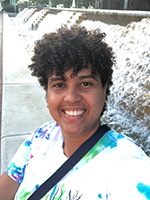
| Ismary Blanco Ismary Blanco is currently a 4th year Ph.D. student in the interdisciplinary program in neuroscience at Georgetown University (GU). At GU, Ismary’s advisor is Dr. Katherine Conant, an expert in metalloproteinases. Ismary’s research focuses on studying how the secretase matrix metalloproteinase-9 (MMP-9) regulates neuronal population dynamics in the telencephalon of the zebrafish using local field potential recordings. Specifically, she is interested in deciphering the role of impaired MMP-9 activity in the onset and progression of depressive-like symptoms in the zebrafish. She earned her BA in Biology from Bard College and her MS in Biology from New York University. A fun fact is that she enjoys drawing Walt Disney characters. |
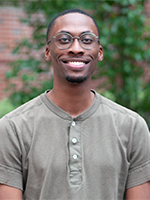
| James Brown My research uses transgenic tools to molecularly dissect the oxytocin system and better understand behavioral preference and social reward from a developmental perspective. The current project examines the genetic contribution of the oxytocin receptor on affiliation and social vigilance in development. The animals I work with are age post-natal day forty-one (P41). This developmental time in mice is closely associated with human adolescence. Adolescence is extremely plastic in mammals because of the rapidly changing and relatively unstable internal and external contexts. Adolescent interactions are rarely aggressive and don’t involve mating. Thus, this time period may be ideal to better understand the underlying approach-avoidance dilemma for sociability, uncontaminated by sexual or aggressive motivations. I plan to become a tenure-track faculty member at a research university. I hope to extend my skill set to include molecular and cellular approaches to understanding the social environment and genetic contributions to long-term behavior and environmental effects. I plan to continue in research, answering questions regarding affiliation throughout development and adulthood, focusing on sex differences. |
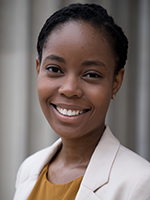
| Adriana Cushnie Adriana Cushnie is a doctoral candidate in the Graduate Program in Neuroscience at the University of Minnesota. Adriana earned her bachelor’s degree in Psychology at the City University of New York at Brooklyn College. Under the current mentorship of Dr. Sarah Heilbronner, Adriana’s doctoral work focuses on the implementing designer receptors exclusively activated by designer drugs and combining this with whole brain resting state functional connectivity to study large-scale brain networks. Specifically, Adriana plans to apply these methods to study the Salience Network. The Salience Network is a large- scale functional network that plays a role in the detection of salient cues. Altered functional and anatomical connectivity of the SN has been implicated in numerous psychiatric disorders. Adriana plans to pursue a research track career with a continued focus on combing causal manipulations with neuroimaging techniques to study mechanism implicated in neuropsychiatric disorders. |
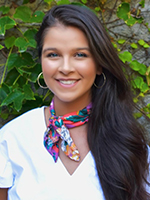
| Jacqueline Garcia I am originally from Pagosa Springs Colorado and graduated from Worcester Polytechnic Institute in 2019 with a degree in Biology and Biotechnology. I joined the Dulla lab at Tufts in May of 2020 and aim to focus on how injury-induced changes in astrocytes, which help control neuronal activity and communication, contribute to the cellular and circuit-level changes that lead to Post Traumatic Epilepsy (PTE). To address this question, I will use cutting edge glutamate and voltage imaging in the brain to determine how injury contributes to the progression of PTE. When completed, I will have novel insight into how glutamate dynamics are altered following TBI, as well as the mechanisms that contribute to these changes. Outside of the lab I enjoy watching basketball, exploring historic Boston, listening to music, and drinking lots of coffee. |
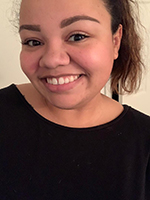
| Brianna George Brianna is currently a doctoral candidate pursuing a PhD in Neuroscience at Wake Forest School of Medicine. She earned her Bachelor’s degree in Psychology from Texas Tech University. As an undergraduate, Brianna worked in the lab of Dr. Paul Soto to investigate the long-term effects of adolescent exposure to antipsychotic medication on behavior, cognition, weight, and metabolic function. Her current doctoral work, under the mentorship of Dr. Sara Jones, focuses on identifying alterations in dopamine system functioning that may underlie vulnerability to opioid abuse. Her long-term goal is to obtain a tenure-track faculty position at a research-intensive university. She is looking to participating in this program in hopes to become a better mentor and advocate for increased diversity and inclusion in neuroscience. |
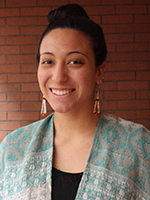
| Cera Hassinan Originally from Tempe, AZ, Cera is a member of the Crow Creek Sioux tribe with her maternal family originating from South Dakota and her paternal family based in Cairo, Egypt. In the future, Hassinan wants to build upon her familiy’s legacy and help Native communities by becoming a Native American researcher. Cera graduated from Johns Hopkins University with a bachelor’s degree in Neuroscience. Following graduation, Cera was an NIH-funded post-baccalaureate research education program scholar at the Johns Hopkins School of Medicine, where her research focused on Neurofilament, a cytoskeletal protein, in the context of spinal muscular atrophy in Charlotte Sumner's lab. Cera joined Jihong Bai's lab in 2020 and is a graduate student in the Molecular and Cellular Biology program at the University of Washington. Her research centers on neurodevelopmental mechanisms important for locomotor rhythmic behavior such as running. Toddlers run, but their running patterns are very distinct from those of adults. Cera wants to understand the connections between developmental pathways and the neuronal circuitry critical in producing smooth rhythmic output. She is using a nematode C. elegans to elucidate how rhythmic circuits are established, regulated, and maintained throughout development. |
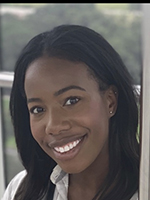
| Taylor McCorkle Taylor McCorkle, MS, is a rising 4th year neuroscience PhD student studying traumatic brain injuries in the lab of Dr. Ramesh Raghupathi at Drexel University College of Medicine. She is originally from Pittsburgh, PA, and prior to graduate school, she received her BA in biology from the University of Pennsylvania in Philadelphia, PA. For her research, she uses an adolescent rat model of repetitive sports-related concussion to determine sex differences in behavioral outcome post-injury. Her thesis work focuses solely on post-injury impairments and sex differences in hippocampal-based cognition, and she has suggested a novel mechanism through which these deficits occur. The mechanism involves corticotrophin-releasing factor serving as a neuromodulator of acetylcholine within the medial septum, ultimately leading to decreased synthesis/release of acetylcholine in the hippocampus. There are currently no FDA approved pharmacological treatments for cognitive deficits following traumatic brain injury, therefore, she hopes her research can serve as a steppingstone in the advancement of the field. |
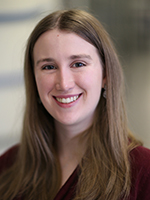
| Katherine Meckel Katherine Meckel is a doctoral candidate in Neuroscience at the Icahn School of Medicine at Mount Sinai. She earned a B.A. in Biochemistry and a B.M. in Voice Performance from Lawrence University, both summa cum laude. There she performed behavioral pharmacology and electrophysiology research under Dr. Bruce Hetzler. She next joined the University of Chicago, working with Drs. Joel Pekow and Marc Bissonnette in the Section of Gastroenterology, where she developed an interest in understanding how peripheral factors such as dietary metabolites modulate brain function. Now in the lab of Dr. Drew Kiraly, she examines the effects of the gut microbiome and its metabolites on cocaine-seeking behaviors. For her efforts, she has been honored with an Excellence in Teaching Award, the Philip Hausfeld Memorial Scholarship Award, a Society for Neuroscience Trainee Professional Development Award, and an NIH Blueprint D-SPAN F99/K00 Fellowship. Beyond the bench, Katherine is the co-founder of the student disabilities group (DREAMS) and serves as a student representative on the Graduate School Steering Committee. She volunteers with Mentoring in Neuroscience Discovery at Sinai, Music and Medicine Concerts, and previously with the Sinai COVID-19 Biobank Team. In the long-term, Katherine hopes to establish her own research laboratory where she will interrogate brain-gut interactions underlying substance use disorders. |
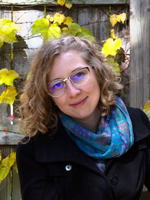
| Samantha Montoya Samantha (Sam) A. Montoya is a fourth-year student in the Neuroscience Graduate Program at the University of Minnesota, supervised by Dr. Michael-Paul Schallmo and Dr. Stephen Engel. Sam studies visual perception, with a particular interest in populations who experience altered visual perception. Sam is using a combination of behavioral (psychophysics and surveys/interviews) and neuroimaging (functional magnetic resonance imaging, magnetic resonance spectroscopy, and electroencephalography) to study visual perception and processing in populations with altered visual perception. This includes psychosis spectrum disorders as well as Visual Snow Syndrome—a condition characterized by the persistent experience of flickering specks covering the entire visual field. Sam founded the Twin Cities Visual Snow Society in 2022 to build connections, share resources, and spread awareness about Visual Snow. In addition to her research, Sam uses art to communicate scientific findings with the community and advocate for people with visual disabilities. Sam received her B.A. in Neuroscience and Studio Art from Kenyon College in 2019. |
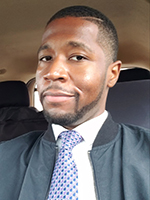
| Desmond Warren Desmond Warren is a Clinical Neuropsychology Ph.D. student at Georgia State University. He earned his M.A. in Clinical Psychology in 2018 at Governors State University in University Park, IL. Currently, he serves as the Equity & Inclusion Officer of the Association of Neuropsychology Students & Trainees (ANST) - APA Division 40, and a Delegate of the Cultural Neuropsychology Council (CNC). Much of his focus deals with brain health and health disparities amongst Black, Indigenous, and People of Color. He's interested in how adverse experiences intersect with race-related neuropsychological outcomes, to better comprehend how diversity of social experiences relates to paths of recovery. His clinical and research interests include cognitive aging, cognitive interventions (e.g., exercise), neuroimaging, neuromodulation, neuropsychological assessments, neuropsychological rehabilitation, and traumatic brain injuries (TBI). As a future clinical neuropsychologist, Desmond wants to clinically treat patients with neurologic conditions in an academic medical center and ultimately start his own private practice. |